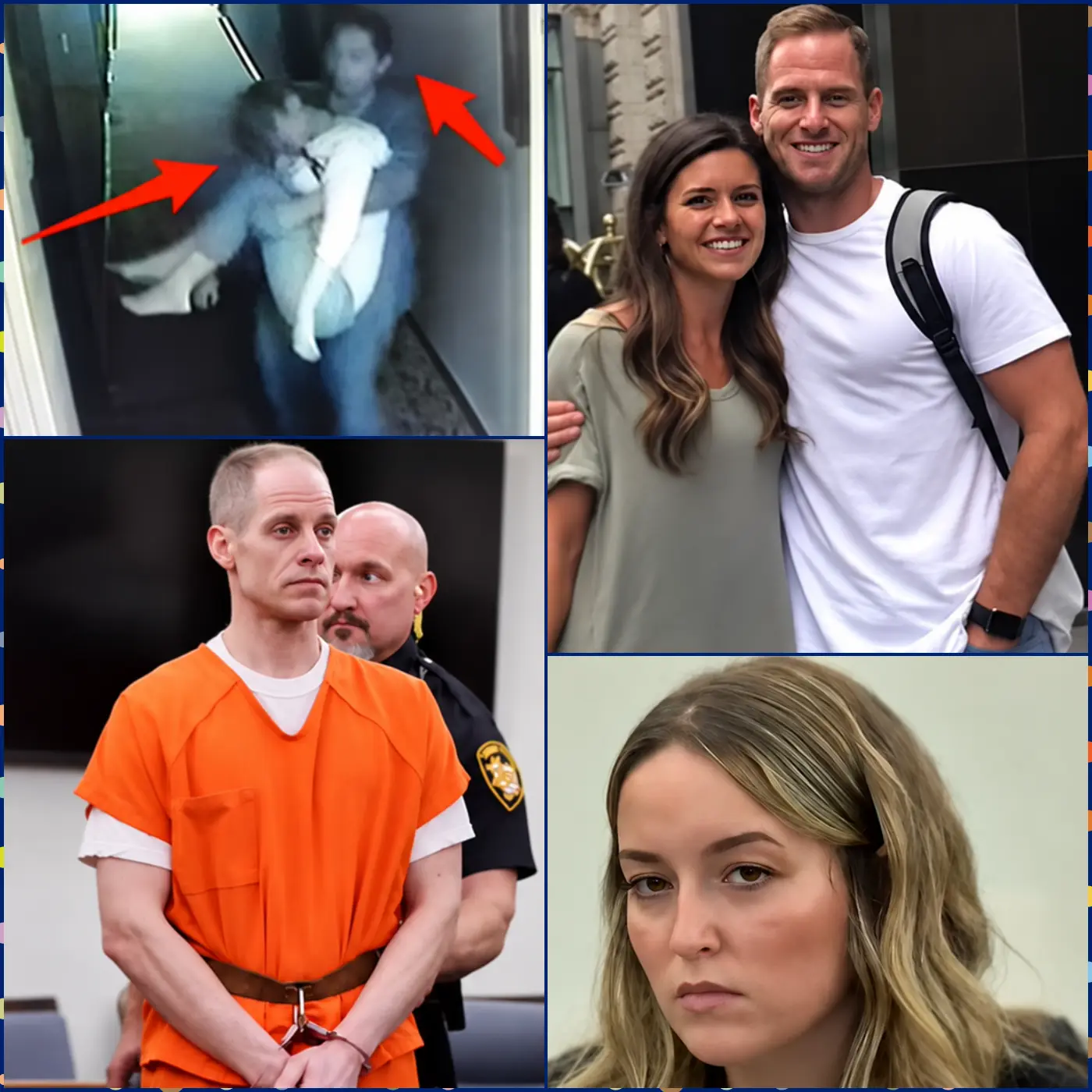
What makes Ashley Flynn’s story so troubling is not only the death of a mother, but also the question surrounding her final days: What did Ashley know about her marriage? Information presented at trial revealed secrets behind the family’s life, but it does not establish that she knew in advance the day she would be killed.
A circulating account describes investigators restoring Ashley’s account and discovering a secret folder created just two days before the incident. However, the sources reviewed have not confirmed that story. There is no reliable basis for reconstructing a “hidden diary,” quoting from it, or describing the police officers’ reactions as though the writer had witnessed them.
To understand the case, it is necessary to begin with verifiable events. Ashley Flynn, 37, died at her home in Tipp City, Ohio, on February 16, 2026. Police arrived after receiving a report of a burglary and shooting. Her husband, Caleb Flynn, and their two daughters were also inside the home when officers arrived.
The initial report suggested that an outsider had attacked the family. But the subsequent investigation led to Caleb being charged. The difference between his initial account and the authorities’ allegations became an important part of the case, requiring events inside the home to be examined alongside what had happened beforehand.
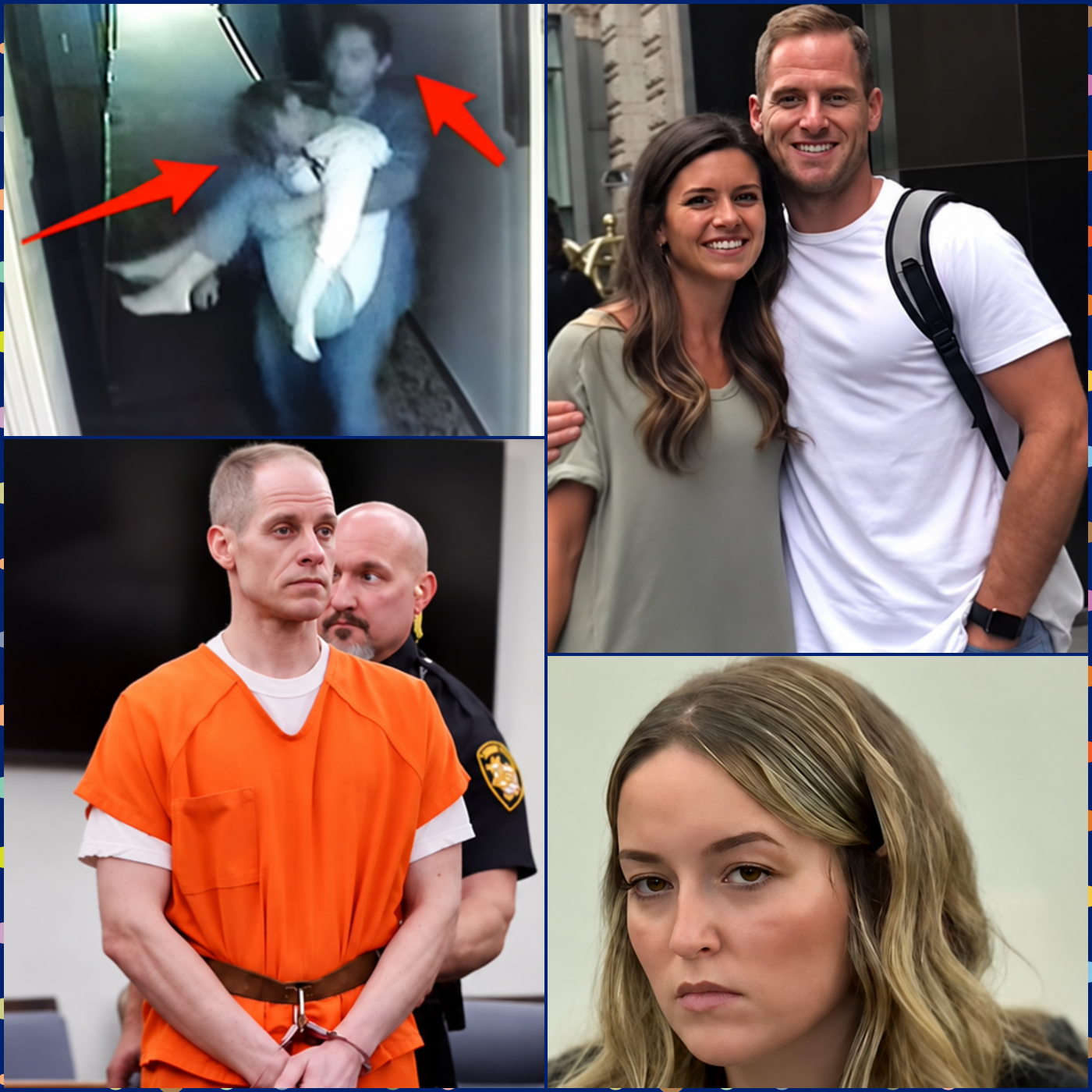
Ashley was more than a person named in a criminal case. She was also a substitute teacher, volleyball coach, and mother of two daughters. Her school remembered her warmth, kindness, and positive influence on students. Those memories remind readers that Ashley’s life extended far beyond the circumstances of her death.
Did Ashley Know About the Affair?
One significant part of the testimony from Alleigha Botner, who had a relationship with Caleb, concerned Ashley discovering messages between them. According to ABC News’s reporting, Botner testified that Ashley had contacted her and requested a meeting. Botner said the meeting never happened because she could not face Ashley under those circumstances.
That detail provides a partial answer to the question of what Ashley knew: According to the reported testimony, she had discovered communications connected to the affair. But knowing that a husband is unfaithful and knowing that a killing will occur are entirely different levels of information. Evidence of the first cannot establish the second.
Ashley’s request to meet Botner also does not allow outsiders to invent her thoughts. It remains unclear what she wanted to ask, what explanation she hoped to receive, or what she intended to do afterward. Those gaps may provoke curiosity, but curiosity is not a basis for creating dialogue or emotions for someone who has died.
In a widely followed criminal case, traces from before a tragedy are often reconsidered with knowledge of the outcome. An ordinary action may be interpreted as a warning; an expression of dissatisfaction may be treated as a definite sign of danger. That perspective can lead readers to believe everything was obvious from the beginning.
In reality, the meaning of a trace depends on its context. Who created it? When was it saved? Did its owner read or understand its contents? Is there other material supporting that interpretation? If those questions remain unanswered, the conclusion that Ashley accurately predicted her death remains speculation.
The Exchanges Before the Incident
Botner’s testimony also addressed exchanges with Caleb shortly before Ashley’s death. According to ABC News, she said Caleb planned to discuss divorce with his wife on February 16. She also testified that she had sent him information about divorce procedures and deleting messages while concerned that their relationship would be exposed.
This information matters because it places those conversations within a specific timeline. However, it comes from testimony about communications between Caleb and Botner. It cannot be transformed into a warning Ashley received, nor can it establish that she secretly saved Botner’s words without documentation confirming that claim.
This is also why the story about a “folder created two days earlier” requires separate verification. A precise timeline can make an account sound more convincing, but detail does not guarantee accuracy. Before publishing it as evidence, the original material and the way it entered the case record must be identified.
Likewise, any statement attributed to the “mistress” needs a clear source. Was it a text message, an audio recording, direct testimony, or a secondhand account? Would the full context change the meaning of the quoted passage? Without those details, constructing a chilling statement would take the article beyond what has been confirmed.
The Verdict and the Limits of Its Conclusions
On September 29, 2026, a jury found Caleb Flynn guilty of charges considered at trial, including aggravated murder. That was a major legal development in the case. However, the verdict does not mean that every circulating story about Ashley, her phone, or her final days was confirmed by the court.
Responsible reporting must preserve that distinction. It can describe the trial’s outcome and publicly reported testimony while acknowledging what remains unclear. Doing so does not weaken the story. Instead, it helps readers understand which details belong to the case record and which exist only in circulating accounts.
It is also important to avoid placing responsibility on Ashley by asking why she did not leave if she had noticed problems. Discovering betrayal does not give someone complete knowledge of another person’s intentions. Without understanding her circumstances and choices, outsiders should not use the outcome to judge her earlier decisions.
What remains after the legal proceedings is a family’s loss. Stories about Ashley should leave room for her life, work, and relationships rather than focusing exclusively on secrets or fear. Public attention becomes more meaningful when it is accompanied by accuracy and respect for the person who died.
The question of what Ashley knew before the tragedy continues to draw readers’ interest. But the answer must come from verified records, not an imagined diary created to fill the gaps. The published information is sufficient to show serious problems within the marriage; it does not prove that Ashley knew the exact date she would die.