Nike, Caitlin Clark and the Signature-Shoe Story That Has Women’s Basketball Talking
The sneaker world may have just witnessed one of the clearest signs yet of how dramatically the women’s basketball market is changing.
Caitlin Clark’s signature shoe launch with Nike has become the center of a growing conversation about star power, consumer demand and the future of women’s basketball footwear.
According to the claims circulating online, the Caitlin 1 launched Octo
 ber 1 at a retail price of $140 and reportedly sold out within roughly five minutes.
That alone would have been a major story.
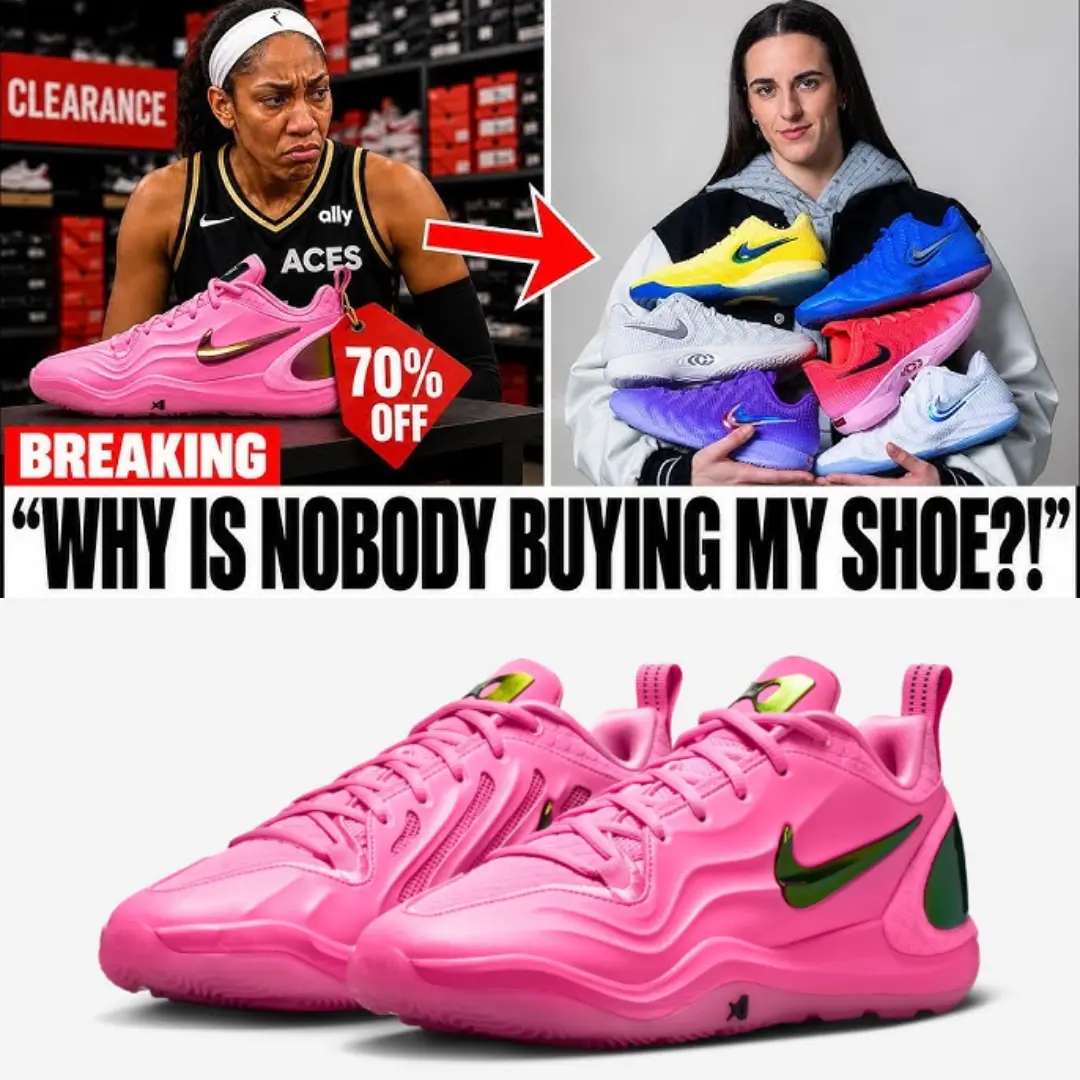
But the bigger conversation began when fans compared the scale of Clark’s launch with the treatment of another major Nike basketball star: A’ja Wilson.
Wilson is one of the most accomplished players in women’s basketball, and her A’ja 1 and A’ja 2 signature shoes have already established their own place in the market.
Yet social-media discussion surrounding the two athletes has created a striking narrative.
One superstar appeared to receive a massive global launch.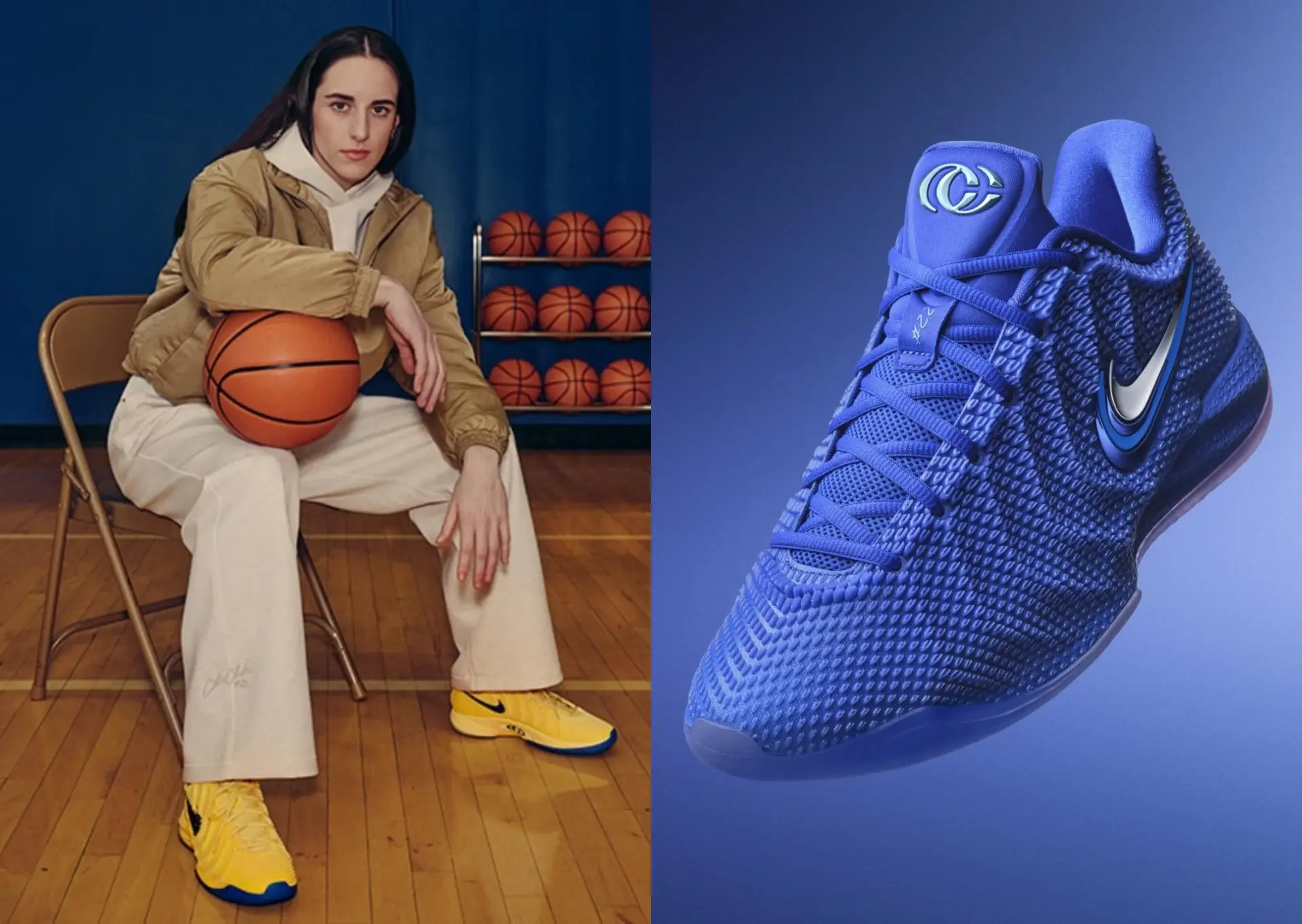
The other, according to reports circulating online, appeared to receive significantly less promotional attention.
And suddenly, the story became much bigger than sneakers.
The Caitlin Clark Effect
Caitlin Clark has become one of the most influential figures in basketball.
Her popularity exploded during her college career and continued into the WNBA, where she became one of the league's most recognizable stars.
That popularity has also created enormous commercial interest.
When a player has millions of fans watching every game, following every social-media post and buying merchandise, a signature shoe becomes more than footwear.
It becomes a statement.
Nike appeared to understand that opportunity.
The launch surrounding Clark's first signature shoe was reportedly designed as a major cultural event rather than a routine product release.
The claims mention activations in cities including Berlin and Beaverton, along with billboards, takeovers and a large number of teased colorways.
Whether every figure being circulated online proves accurate or not, the broader message is clear:
Nike sees Clark as a major global marketing asset.
And consumers appear to be paying attention.
Five Minutes That Changed the Conversation
The most attention-grabbing claim is the alleged sellout.
A $140 Caitlin 1 reportedly disappeared from available inventory in approximately five minutes after its October 1 launch.
If accurate, that would represent an extraordinary opening for a first signature model.
But sellout numbers always require context.
A product can sell out quickly because of enormous demand, limited initial inventory, or a combination of both.
That is why one headline number cannot tell the entire business story.
Still, the speed of the reported sellout has become impossible for fans to ignore.
For supporters of Clark, it represents proof that her popularity extends beyond television ratings and social-media engagement.
It suggests that fans are willing to put money behind the excitement.
They are not simply watching Clark.
They are buying into her brand.
That distinction matters enormously to a company like Nike.
Why Signature Shoes Matter
Signature footwear is one of the strongest forms of commercial validation available to a basketball player.
It means a brand is willing to place an athlete's name directly on a product and build an entire marketing strategy around that identity.
Michael Jordan transformed the concept decades ago.
Other basketball superstars followed.
Now, women's basketball is increasingly becoming part of that same commercial ecosystem.
A'ja Wilson has already been an important part of that transformation.
Her dominance on the court, championship success and individual accolades have made her one of the premier athletes in the sport.
Her signature footwear represents that status.
That is why comparisons between Wilson and Clark have generated so much discussion.
This is not simply about who has the better shoe.
It is about what each player represents to the marketplace.
Two Different Kinds of Superstar
Clark and Wilson have built their brands in very different ways.
Wilson's reputation is rooted heavily in dominance.
She has established herself as an elite two-way player, a champion and one of the most respected competitors in the WNBA.
Clark's rise has been driven by a combination of elite basketball ability, unprecedented attention and a massive fan following that began during her college career.
Both are significant.
Both are commercially valuable.
Both have helped elevate women's basketball.
But their audiences are not identical.
That may explain why brands can approach their launches differently.
Clark brings enormous crossover attention.
Wilson brings established basketball credibility and championship pedigree.
For Nike, having both athletes under its umbrella should theoretically provide an opportunity to build an even stronger women's basketball business.
Instead, the online conversation has increasingly framed their launches as a competition.
The Wilson Question
This is where the story becomes sensitive.
Claims circulating online suggest that Wilson's A1 and A2 models were discounted at major retailers and that marketing support was allegedly reduced around launch periods.
Those claims have fueled a narrative that Nike prioritized Clark while allowing Wilson's footwear to receive less attention.
But that conclusion should be treated cautiously.
Retail discounts can happen for many reasons.
Inventory levels change.
Seasonal promotions affect prices.
Retailers make independent decisions.
Marketing strategies can vary between product cycles.
And a quieter launch does not automatically mean a brand has lost confidence in an athlete.
That distinction is important.
The internet loves simple rivalries.
Clark versus Wilson.
New star versus established champion.
Popularity versus dominance.
But the business reality is almost certainly more complicated.
The Bigger Nike Story
The most important development may not be which player received more billboards.
It may be the growth of women's basketball itself.
Nike has spent years building its women's basketball presence, and the current generation of stars gives the company an opportunity that did not exist at the same scale in previous eras.
Clark brings a huge audience.
Wilson brings championship credibility.
Other stars bring their own communities.
Together, they create an ecosystem capable of supporting multiple successful signature lines.
That is good news for the sport.
More signature shoes mean more investment.
More marketing means more visibility.
More consumer demand means brands have greater incentive to sign and support women's basketball players.
The real victory could therefore be bigger than any individual sneaker.
The Business Numbers Tell Only Part of the Story
Another claim circulating online suggests that Nike's women's basketball business increased by hundreds of percent and that Clark's shoe ranks among the most-worn basketball shoes in the NBA.
Those figures, if verified, would be significant.
But statistics surrounding sneaker sales and wearership can be complicated.
Sales growth may be measured against a specific period.
Wearership data may come from particular samples or tracking systems.
Marketing claims can also use different definitions.
That is why responsible reporting should separate verified numbers from viral claims.
Still, the excitement surrounding Clark's signature shoe is itself meaningful.
Even without every internet statistic being accurate, the attention surrounding the release demonstrates that the market is watching.
And Nike knows that attention has value.
This Isn't Just About Caitlin Clark
It would be easy to turn the entire story into a debate over Clark and Wilson.
But doing that misses the larger transformation taking place.
For decades, women's basketball players fought for the kind of commercial opportunities that male athletes often took for granted.
Today, elite women's players are building recognizable brands, signing major endorsement agreements and launching signature products.
That progress matters.
Clark's shoe can succeed without Wilson's shoe failing.
Wilson's brand can grow without Clark's popularity shrinking.
There is room for both.
In fact, the growth of both could strengthen the entire women's basketball economy.
Fans do not have to choose one superstar.
They can support both.
The Moment That Has Everyone Watching
Still, the contrast between the two launches has created a fascinating moment.
On one side is Clark, whose signature shoe reportedly generated enormous excitement immediately after release.
On the other is Wilson, an established superstar whose footwear story has become part of a much quieter conversation.
That contrast has sparked questions about marketing priorities, consumer behavior and the changing definition of star power.
And those questions are not going away.
Because this is no longer simply about shoes.
It is about who controls attention.
It is about what brands believe consumers want.
And it is about how the next generation of women's basketball superstars will be marketed.
The Future Is Bigger Than One Launch
If Clark's first signature shoe truly maintains strong demand, Nike will have a powerful reason to continue expanding the line.
More colorways.
More campaigns.
More international releases.
More storytelling around Clark's identity and playing style.
At the same time, Wilson's signature line has an opportunity to continue building its own identity.
The smartest outcome for Nike would not be choosing one star over another.
It would be finding ways to make both brands successful.
Because women's basketball is finally reaching a point where multiple athletes can become major commercial forces at the same time.
That is the real opportunity.
The Caitlin 1 may be generating the loudest conversation right now.
A'ja Wilson remains one of the most accomplished basketball players of her generation.
And the competition between their brands, whether fans intended it or not, is revealing something important.
The women's basketball sneaker market is no longer an afterthought.
It is becoming a battleground.
And Nike appears determined to be at the center of it.
The biggest question now is not whether Caitlin Clark can sell shoes.
The bigger question is what happens next.
If the reported demand continues, Nike may have only seen the beginning of the Caitlin Clark effect.
And if that happens, the next chapter of women's basketball footwear could look very different from anything that came before.