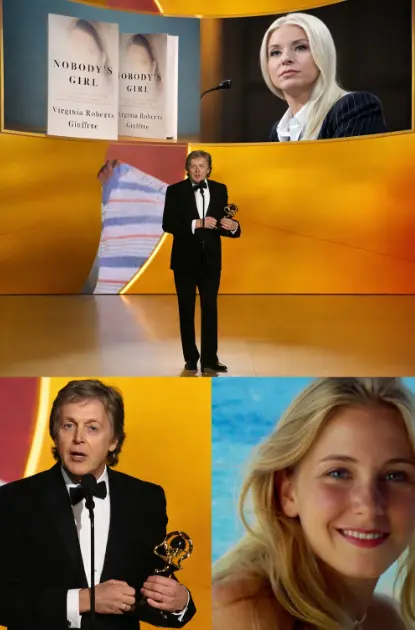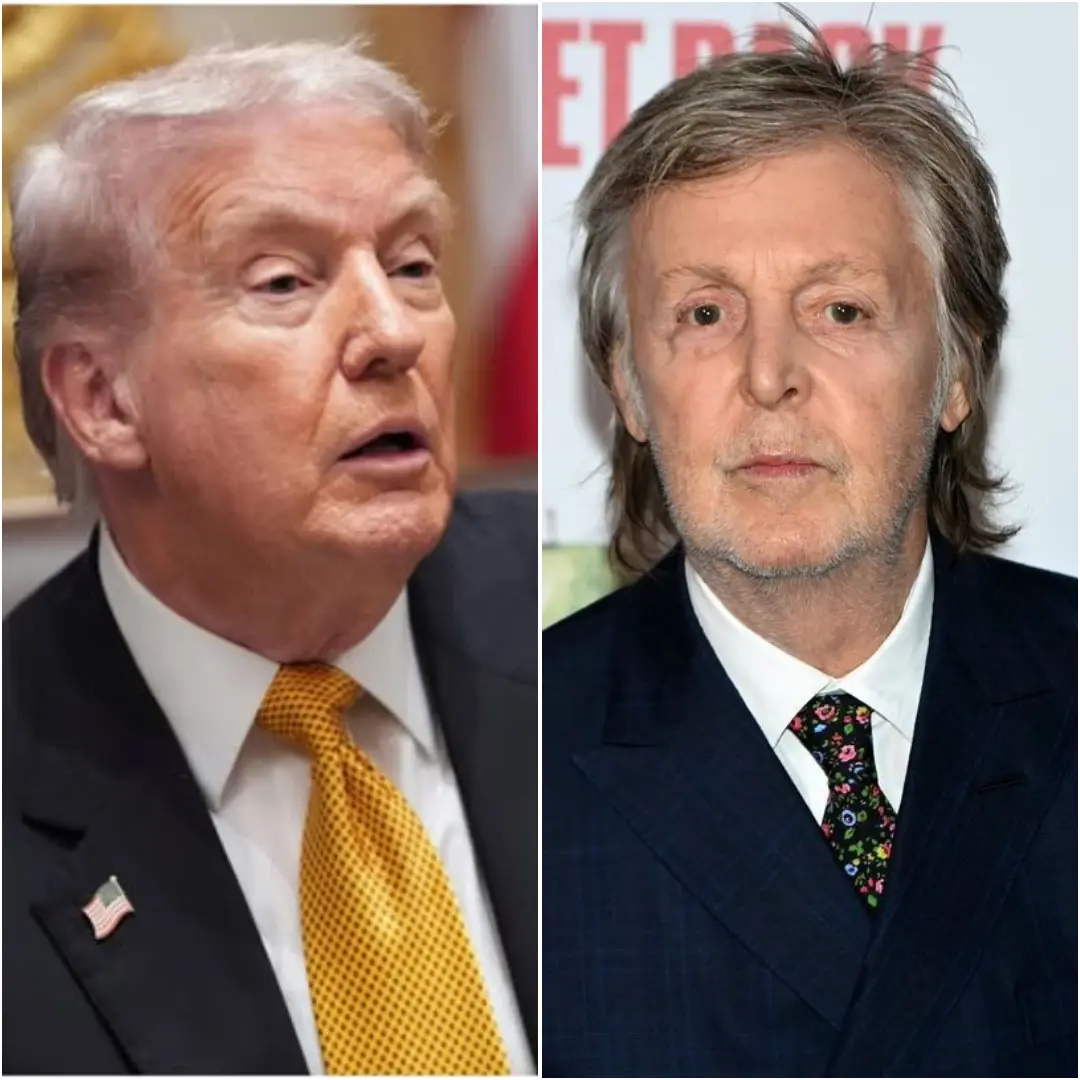
The world did not expect the moment to come from Paul McCartney. Known for melody, harmony, and a lifetime of musical diplomacy, the former Beatle has long been seen as a unifying figure rather than a confrontational one. But in a newly released uncensored interview that spread across platforms at lightning speed, McCartney stepped firmly into the political and moral spotlight, delivering remarks that instantly ignited global conversation and sent shockwaves through Washington.
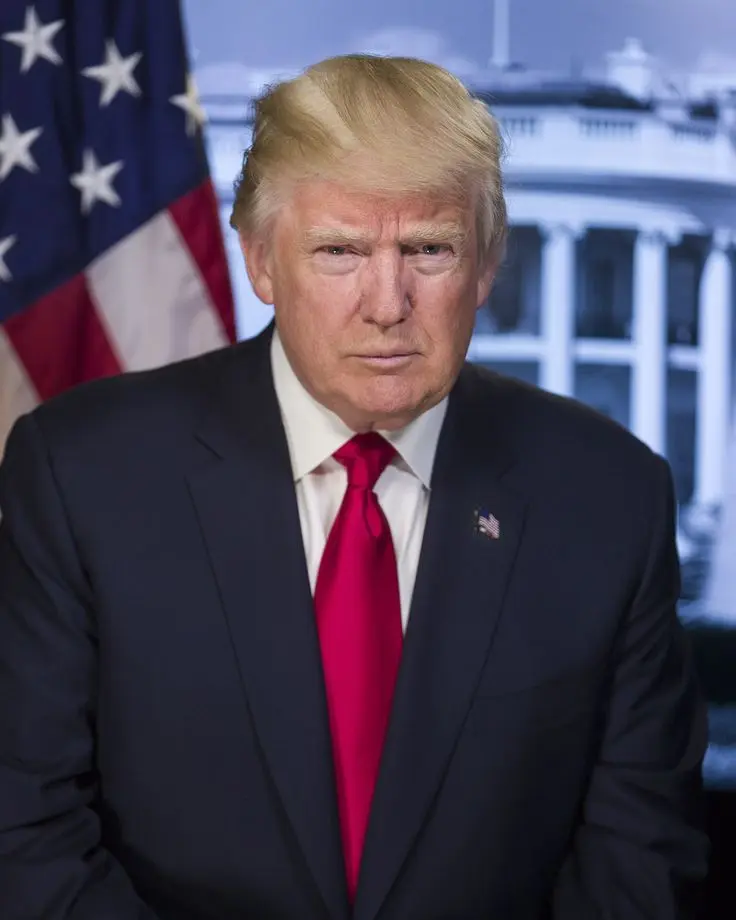
Speaking with a calm but unmistakably serious tone, Paul McCartney addressed the current state of American leadership and democracy, directly criticizing former president Donald Trump, whom he described as “a self-serving showman.” The phrase alone was enough to dominate headlines, but it was the context and conviction behind his words that truly set the internet ablaze. McCartney warned that societies often fail not because of a lack of laws, but because people stop paying attention when those laws are tested.
According to McCartney, the danger lies not in loud rhetoric, but in distraction. “Wake up before it’s too late,” he urged, a line that was clipped, shared, remixed, and replayed millions of times within hours of the interview’s release. Social media platforms erupted with reactions from fans, critics, political analysts, musicians, and everyday citizens who saw the moment as either a long-overdue intervention or an inappropriate crossing of lines. Within minutes, McCartney’s name was trending worldwide.
What made the moment particularly striking was its contrast with McCartney’s public persona. For decades, he has been associated with messages of love, peace, and unity—values deeply rooted in his time with The Beatles and his subsequent solo care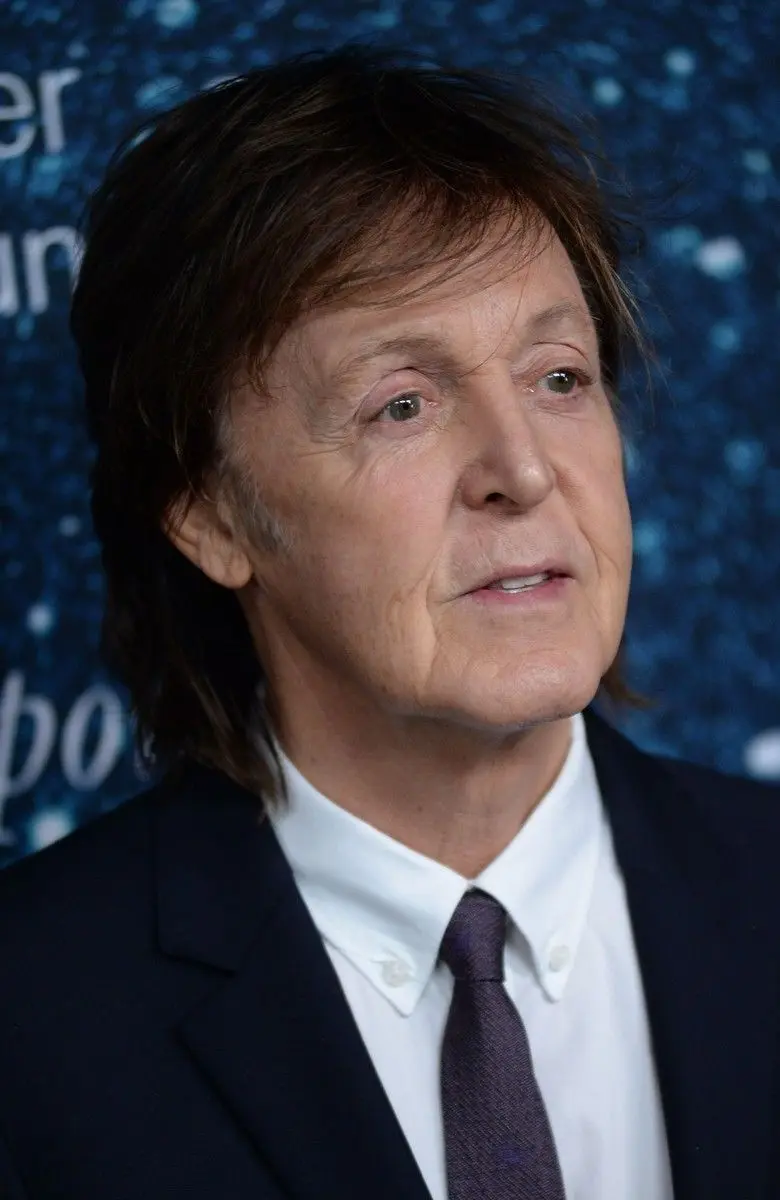 er. Yet those familiar with his history note that political awareness has always been present in his work, from anti-war sentiments to advocacy for human rights, environmental protection, and democratic responsibility. This interview, however, marked one of the most direct and unfiltered statements he has ever made about contemporary American politics.
McCartney explained that constitutional safeguards exist precisely for moments when personality threatens principle. “He’s exactly why accountability exists,” McCartney said, referring to Trump, emphasizing that systems of checks and balances are designed to protect institutions from being overwhelmed by individual ambition. His words were measured, not shouted, but their impact was profound. Political commentators quickly noted that McCartney’s criticism avoided partisan slogans and instead focused on broader democratic values, making it harder to dismiss as mere celebrity outrage.
The reaction was immediate and intense. Supporters praised McCartney for using his platform responsibly, arguing that silence from influential cultural figures enables the erosion of democratic norms. Fans flooded comment sections with messages of gratitude, calling his words brave, necessary, and reflective of what many feel but struggle to articulate. Others, however, accused him of hypocrisy or interference, insisting that entertainers should remain outside politics. Cable news networks replayed the clip repeatedly, while opinion panels debated whether McCartney’s intervention would influence public sentiment or simply deepen existing divides.
Inside Washington, the response was noticeably tense. Political aides, strategists, and media figures acknowledged privately that McCartney’s global credibility gave his remarks unusual weight. Unlike partisan figures, he carries decades of goodwill across generations and borders, making it difficult to frame his comments as opportunistic. His warning resonated not because it was dramatic, but because it was delivered with the gravity of someone who has witnessed history repeat itself.
McCartney was careful to clarify that his criticism was not about power itself, but about responsibility. “We don’t need kings,” he said. “We need leaders who care about the truth and the people they serve.” That sentence became one of the most quoted lines from the interview, appearing on protest signs, editorial headlines, and viral graphics within hours. The phrase echoed deeply in an era where democratic institutions worldwide are under strain and public trust continues to erode.
Cultural historians quickly contextualized the moment, noting that artists have often played pivotal roles during periods of political tension. From the protest music of the 1960s to modern movements amplified by digital platforms, musicians have frequently served as emotional translators of public unease. McCartney’s statement, they argued, fit squarely within that tradition—less an act of rebellion and more a call to civic awareness.
What set this moment apart, however, was its timing and tone. McCartney did not speak during a campaign rally or a benefit concert. He spoke in a reflective interview, choosing clarity over spectacle. That restraint arguably made his message more powerful. Rather than inciting outrage, he appealed to vigilance, urging people to understand why democratic protections matter before they are weakened beyond repair.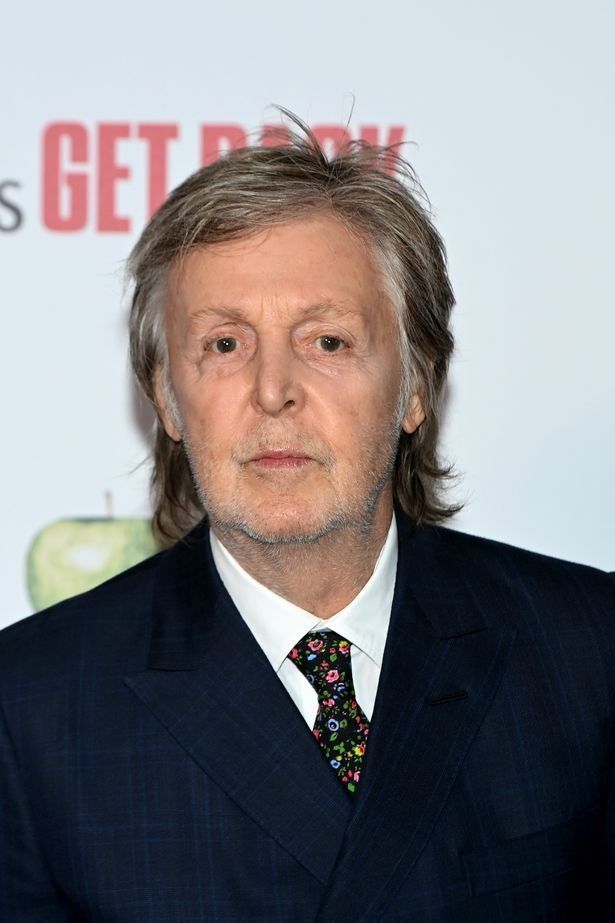
The economic and cultural ripple effects were also immediate. Streaming numbers for McCartney’s catalog surged, while bookstores reported renewed interest in political memoirs and constitutional literature referenced during the interview. University classes dissected the clip as an example of soft power influence, while activists debated how celebrity voices can responsibly contribute to democratic discourse without overshadowing grassroots movements.
Critics attempted to minimize the impact, suggesting that public attention would quickly shift elsewhere. Yet the sustained discussion suggested otherwise. Days after the interview, McCartney’s remarks continued to dominate opinion columns, podcasts, and international news coverage. The longevity of the conversation underscored a deeper reality: many people were already searching for language to express their concerns, and McCartney provided it.
For McCartney himself, the moment appeared less about personal legacy and more about generational responsibility. In the interview, he referenced growing up in the shadow of war and witnessing how quickly societies can normalize dangerous behavior when vigilance fades. His perspective, shaped by history rather than headlines, lent his words a sense of urgency that transcended partisan boundaries.
Whether one agrees with Paul McCartney or not, the significance of the moment is undeniable. In an age saturated with noise, his voice cut through with clarity, reminding audiences that democracy is not self-sustaining. It requires attention, courage, and the willingness to speak even when doing so invites controversy.
Love him or criticize him, Paul McCartney did more than make a statement. He sparked a conversation that many had been avoiding—and in doing so, reaffirmed the enduring power of artists not just to entertain, but to awaken.