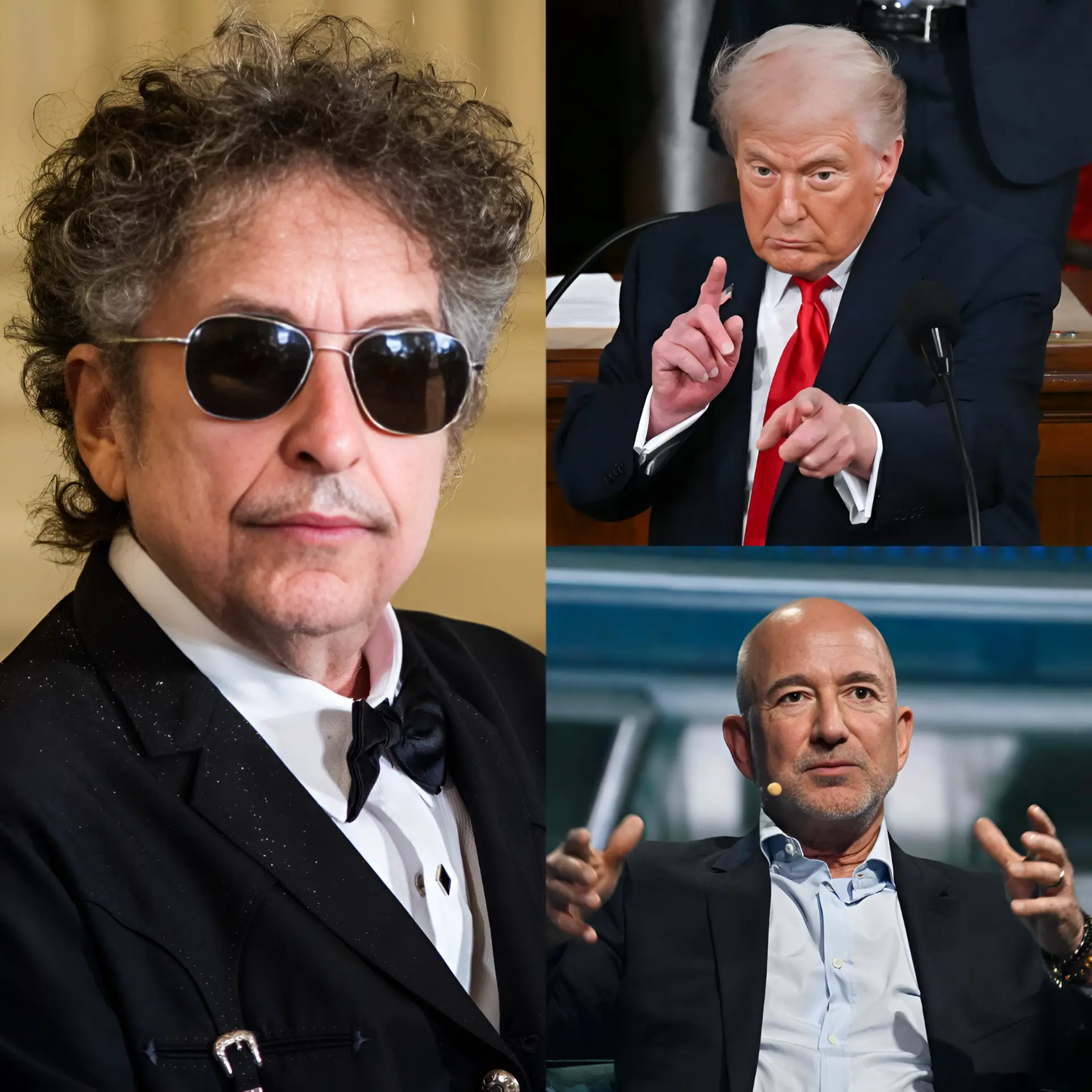
“Wake up, Jeff.”
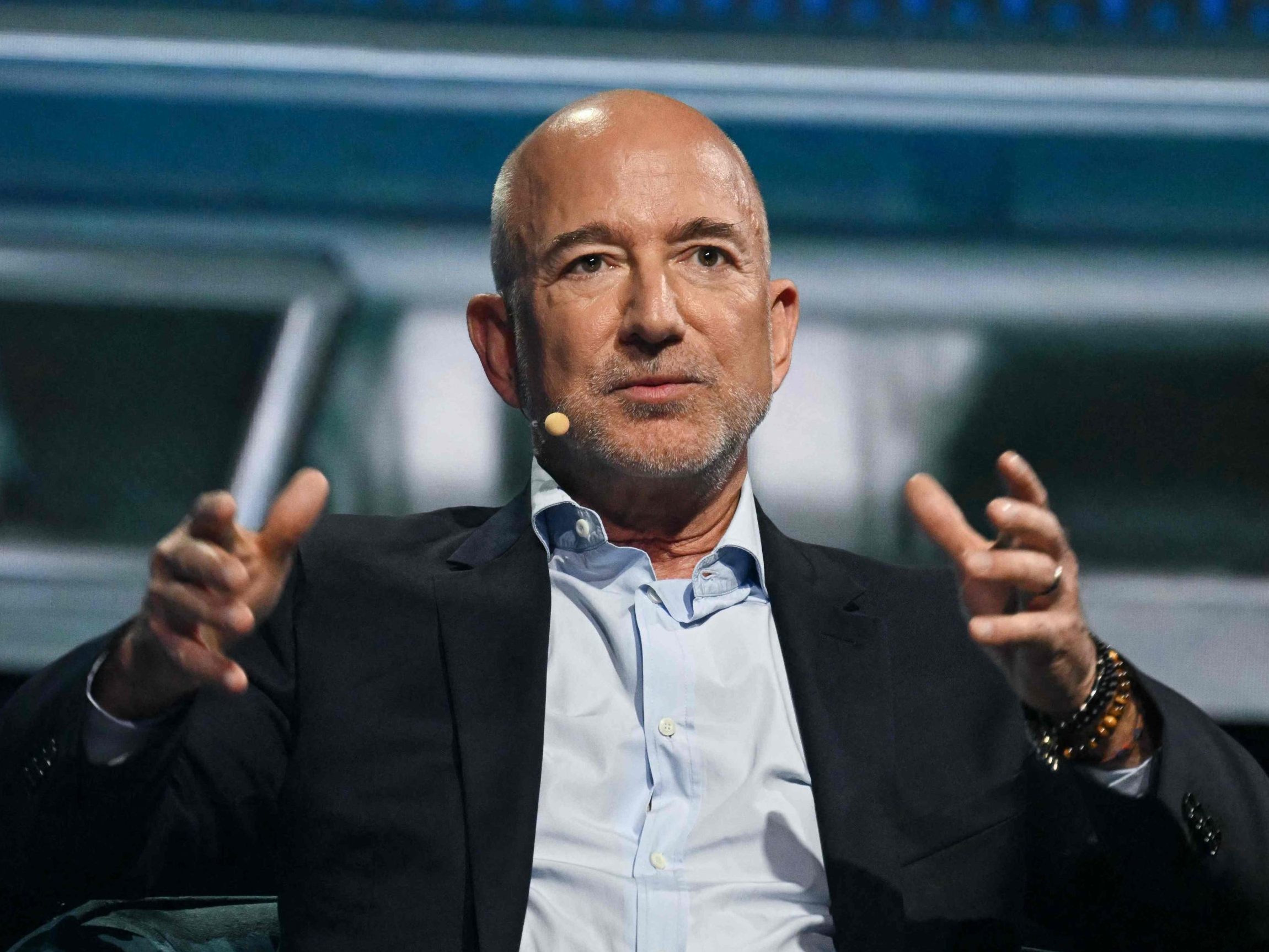
With three blunt words, Bob Dylan ignited a political and corporate firestorm that rippled across the music industry, Wall Street, and social media in a matter of hours. In a rare and sharply worded public statement, the Nobel Prize–winning songwriter announced he would pull his entire music catalog and official merchandise rights from Amazon, citing deep concerns over founder Jeff Bezos and what Dylan described as Bezos’ “perceived alignment” with former president Donald Trump.
The announcement stunned fans and industry executives alike. Dylan, long known for his poetic ambiguity and aversion to direct political sparring in recent decades, had chosen clarity over metaphor. His message was not layered in symbolism or tucked inside a verse. It was direct, declarative, and unmistakably confrontational.
“You support Trump, you support the division of real Americans. I cannot be a part of that,” Dylan stated.
For an artist whose legacy was forged in the protest movements of the 1960s but who later resisted being boxed into partisan identities, the tone felt both familiar and unprecedented. Familiar because Dylan’s early catalog became the soundtrack to civil rights marches and anti-war rallies. Unprecedented because in recent years he has largely avoided headline-grabbing political declarations.
The impact was immediate.

Industry analysts estimated that removing Dylan’s catalog—spanning decades of studio albums, live recordings, remasters, and exclusive merchandise—would represent a significant cultural and symbolic loss for Amazon’s music and retail platforms. Though the financial impact may be relatively contained compared to the company’s vast global revenue, the optics are substantial. Dylan is not merely a musician; he is an institution.
Within hours, political reactions followed.
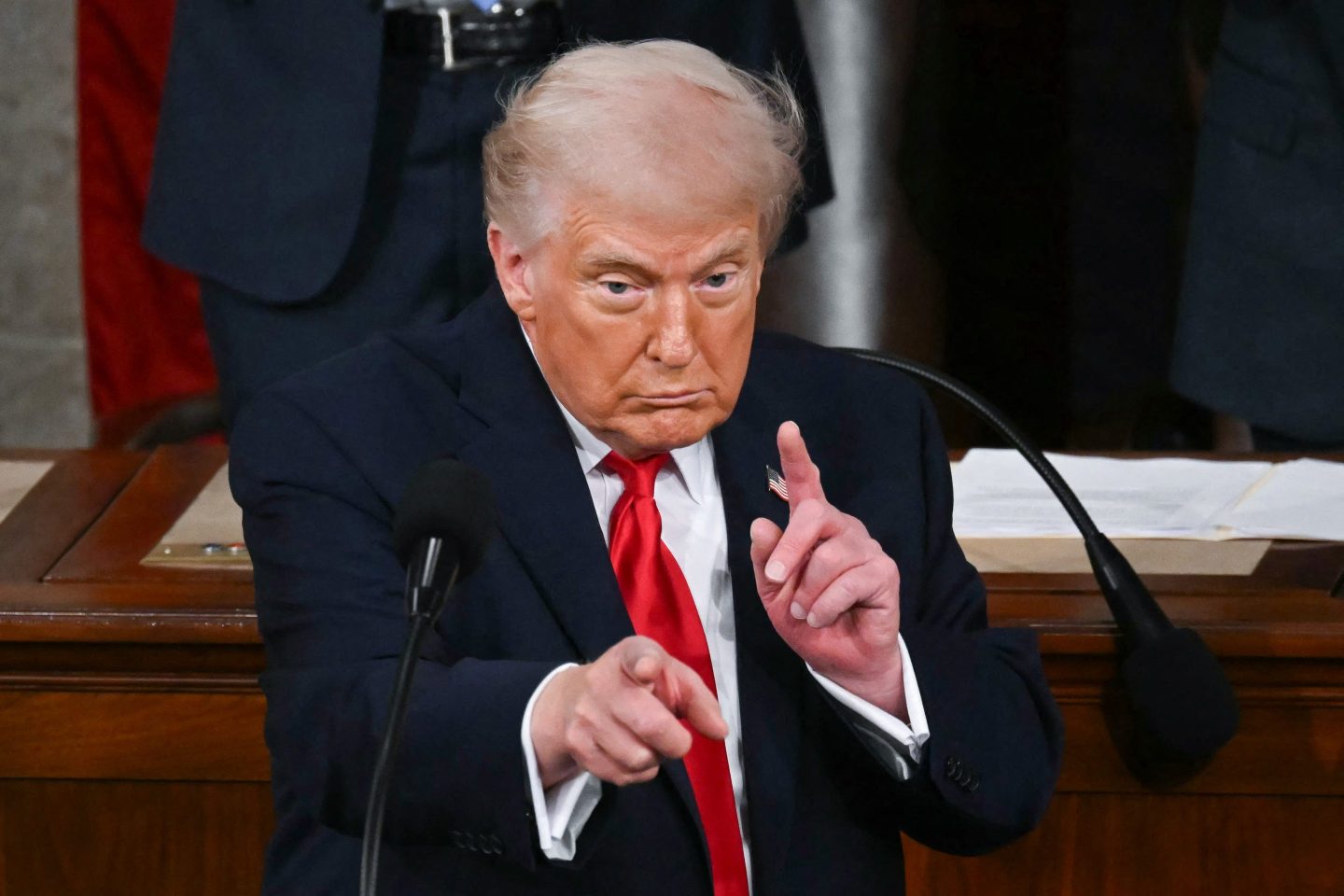
Trump responded on Truth Social, dismissing Dylan as a “controversial music icon,” an “outspoken entertainer,” and “desperate for headlines.” The post, written in Trump’s characteristic rapid-fire style, framed the move as performative and politically opportunistic.
But if Trump’s intention was to diminish the moment, the reaction online suggested otherwise.
Social media erupted.
Supporters praised Dylan’s willingness to leverage his commercial power in service of what he framed as national unity. Critics countered that artists withdrawing their work from platforms based on perceived political affiliations risk further entrenching cultural divisions. Others questioned whether such moves meaningfully influence corporate leadership or political outcomes.
Yet even among skeptics, there was recognition that Dylan’s decision carried symbolic weight. Few living musicians possess his stature. Few can claim not only commercial success but cultural immortality. When Dylan speaks, even briefly, the echo lingers.
What makes this confrontation particularly striking is its generational dimension. Dylan, now in the later chapters of an extraordinary career, represents an era when protest music was inseparable from broader social movements. In the 1960s, songs like “Blowin’ in the Wind” and “The Times They Are A-Changin’” became anthems for Americans grappling with civil rights, war, and shifting cultural norms.
For decades afterward, Dylan resisted the label of “protest singer.” He evolved stylistically, spiritually, and politically. He embraced rock, country, gospel, and introspective folk. He defied expectations. He refused to be predictable.
Which makes this moment all the more resonant.
By directly linking Bezos’ perceived political posture to national division, Dylan reframed the debate as one of moral alignment rather than partisan disagreement. His statement did not dwell on policy specifics. Instead, it focused on unity versus division—a rhetorical move consistent with the moral framing of his early songwriting.
Corporate silence followed.
Amazon did not immediately release a detailed rebuttal. Analysts speculated that responding too aggressively could amplify the controversy. Others suggested the company may attempt quiet negotiations, though insiders cautioned that Dylan’s camp appeared resolute.
Behind the scenes, music industry executives scrambled to assess ripple effects. Would other legacy artists follow? Would contemporary musicians with strong political identities take similar action? Or is Dylan uniquely positioned to absorb potential revenue losses that younger artists might find prohibitive?
There is also the question of audience fragmentation.
In today’s streaming-dominated ecosystem, pulling a catalog from a major platform does not erase it from public access entirely. Competing services remain. Physical media still exists. Yet the symbolism matters. Removing work from a marketplace is not merely about access; it is about association.
Dylan’s message suggested that remaining on the platform constituted complicity.
That framing forces a broader cultural question: To what extent are artists responsible for the political affiliations—real or perceived—of the corporations that distribute their art?
Some observers argue that such expectations are impractical in a globalized economy where corporate ownership structures are complex and often politically entangled. Others insist that cultural figures with leverage have both the right and responsibility to act according to conscience.
Meanwhile, Dylan’s supporters point out that this is not an artist seeking relevance through provocation. His legacy is secure. His awards are numerous. His influence is undeniable. If anything, they argue, the move risks more than it gains commercially—suggesting conviction rather than opportunism.
As for Trump, his dismissal may resonate with his base, but it did little to quiet the broader conversation. Screenshots of Dylan’s statement circulated widely. Clips of his earlier interviews resurfaced. Commentators debated whether this was a return to form or a departure from his recent reserve.
Then came the final moment.
After Trump’s online rebuke, Dylan offered a follow-up response—eight short words that quickly dominated headlines and trended globally:
“I stand with people, not power.”
The line was simple. It carried no policy specifics, no insults, no elaboration. Yet it encapsulated the core of his position and echoed themes that have run through his music for more than half a century.
For supporters, it was a masterstroke—concise, poetic, and morally framed. For critics, it was reductive and self-righteous. For neutral observers, it was undeniably effective.
The internet reacted with what one commentator described as “digital thunder.” Fans quoted the line. Musicians reposted it. Political figures weighed in. Hashtags surged.
Whether Dylan’s move alters corporate strategies or political alignments remains uncertain. What is certain is that it reaffirmed his capacity to shape conversation with economy of language.
In a media landscape saturated with noise, outrage, and endless commentary, Dylan did what he has often done best: he said little, but meant much.
And once again, the words reverberated.