The Voice of the Outsider: Why the "Jelly Roll Narrative" Resonates
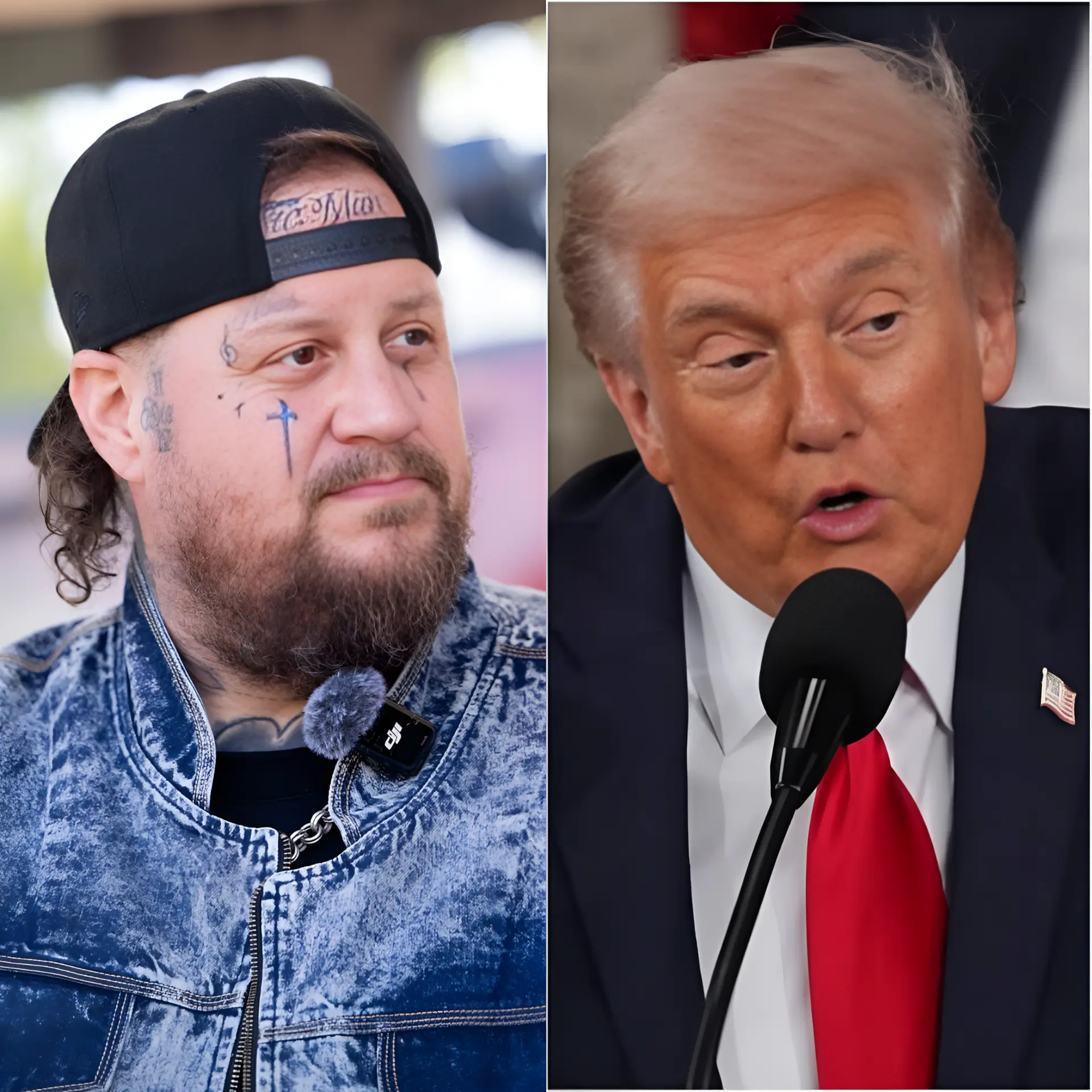
In the landscape of modern American politics, the "Redemption Arc" is a potent currency. Jelly Roll, with his history of incarceration and subsequent rise to superstardom, embodies the "Second Chance" narrative that appeals across the political aisle. When fictionalized scripts like the one above go viral, they leverage his authentic "outlaw" persona to deliver a specific political message.
1. The Weaponization of Chaos
The core of the "speech" argues that civil unrest is not organic but curated—a tool used by "elites" to destabilize the status quo. This mirrors the Great Decoupling theory often discussed in political science, where the working class feels that the media and political institutions benefit from a state of perpetual crisis. By using a figure like Jelly Roll—who has lived through the "chaos" of the justice system—the message gains a layer of perceived "street level" authority.
2. Redefining "Law and Order"
The text attempts to flip the script on authoritarianism. Usually, strict enforcement is framed by critics as a threat to democracy. Here, the argument is reversed:
"Protecting citizens from violence is not the end of democracy—it’s the foundation of it."
This reflects a growing sentiment in the mid-2020s: Security as a Human Right. As urban centers grapple with rising crime rates and shifting policing policies, the demand for "order" is being rebranded not as a top-down suppression, but as a bottom-up necessity for the marginalized.
The Celebrity as the New Political Liaison
Why use Jelly Roll for this narrative instead of a traditional politician?
FeatureThe PoliticianThe "Authentic" CelebrityDeliveryPolished, rehearsed, often feels scripted.Raw, raspy, "tells it like it is."Trust FactorLow (viewed as part of the "system").High (viewed as a survivor of the system).AppealPartisan and polarizing.Transcendent; reaches "unreachable" voters.
By placing these words in the mouth of a man who has "seen both sides of the law," the narrative bypasses the typical filters of political skepticism. It positions the defense of Donald Trump not as a partisan choice, but as a "common sense" realization from someone who knows what real trouble looks like.
The "Invisible" American and the Media Gap
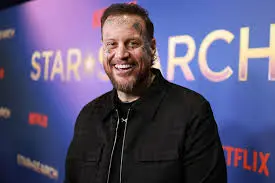
The most poignant part of the script is the reference to the "voices that political and media elites often overlook." This is the cornerstone of modern populism.
In 2026, the digital divide has only widened. While AI-driven news cycles move at lightning speed, a large portion of the population feels the "truth" is being obscured by "apocalyptic rhetoric." This fictionalized Jelly Roll speech acts as a catharsis for those who feel that wanting a "safe country and a fair system" has been unfairly pathologized by the mainstream media.
The Power of "Second Chances"
The real Jelly Roll often speaks about the "power of the transformation." This is why his image is so effectively used in these scripts. If a man can transform his life from a prison cell to the Grand Ole Opry, the narrative suggests, then perhaps the country can also "transform" back to a state of order and stability.
Conclusion: Fact vs. Folklore
While Jelly Roll didn't actually say these words, the fact that thousands of people are sharing them as if he did tells us something vital about the current American psyche. People are looking for messengers they can trust to bridge the gap between "the streets" and "the state."
In a world of deepfakes and scripted narratives, the hunger for "raw truth"—even if it's delivered via a fictionalized viral post—remains at an all-time high. It serves as a reminder that in 2026, the most valuable political asset isn't a policy platform; it's perceived authenticity.